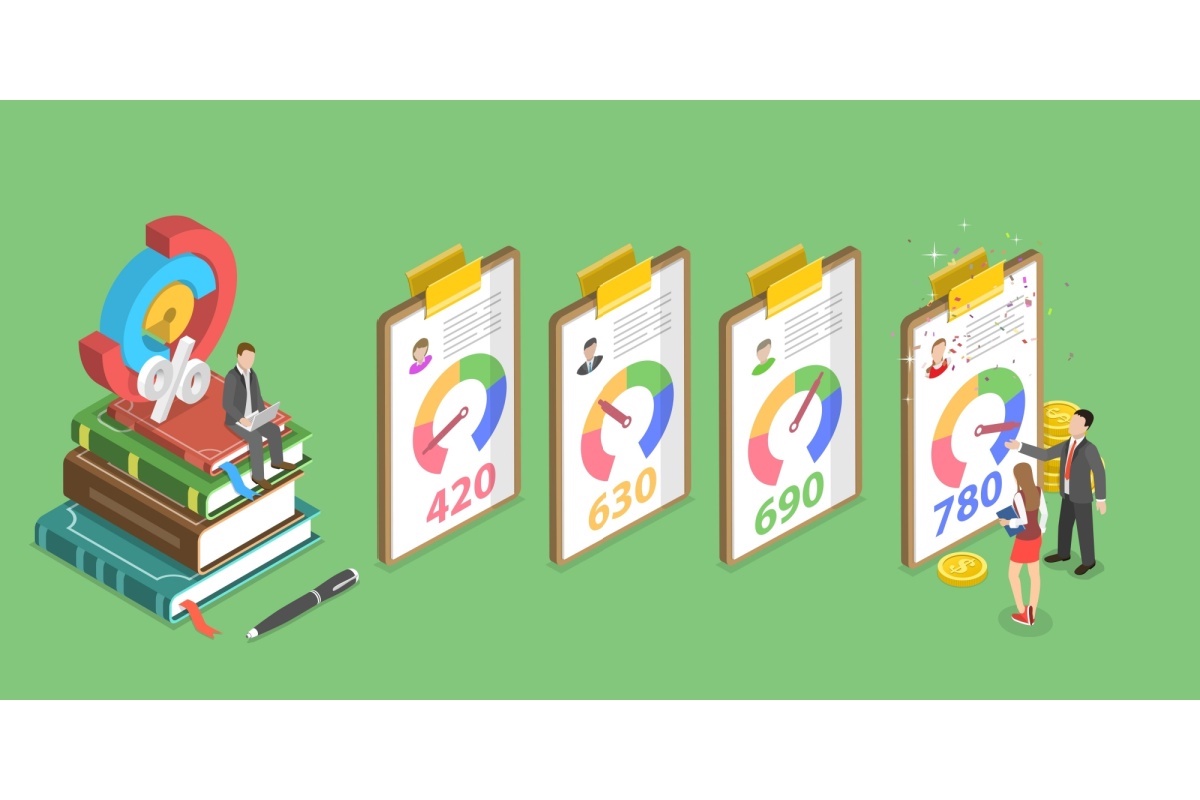
You may look at your credit score and feel a bit stuck, especially if you need a loan soon. It can feel like a number that defines your financial options, and changing it seems like a slow, difficult process. You might wonder if it’s even possible to make a real difference in just a few months, but a lender like Blue Copper Capital focuses on helping you understand your financial health.
The good news is that you can improve your credit score in 90 days with focused effort and the right strategy. While building excellent credit takes time, taking specific steps now can create positive momentum and demonstrate to lenders that you are a responsible borrower.
While dramatic improvements depend on your starting point, many see noticeable boosts (20–100+ points) in 90 days by focusing on quick-impact actions like lowering utilization and fixing errors.
What Your Credit Score Means for You
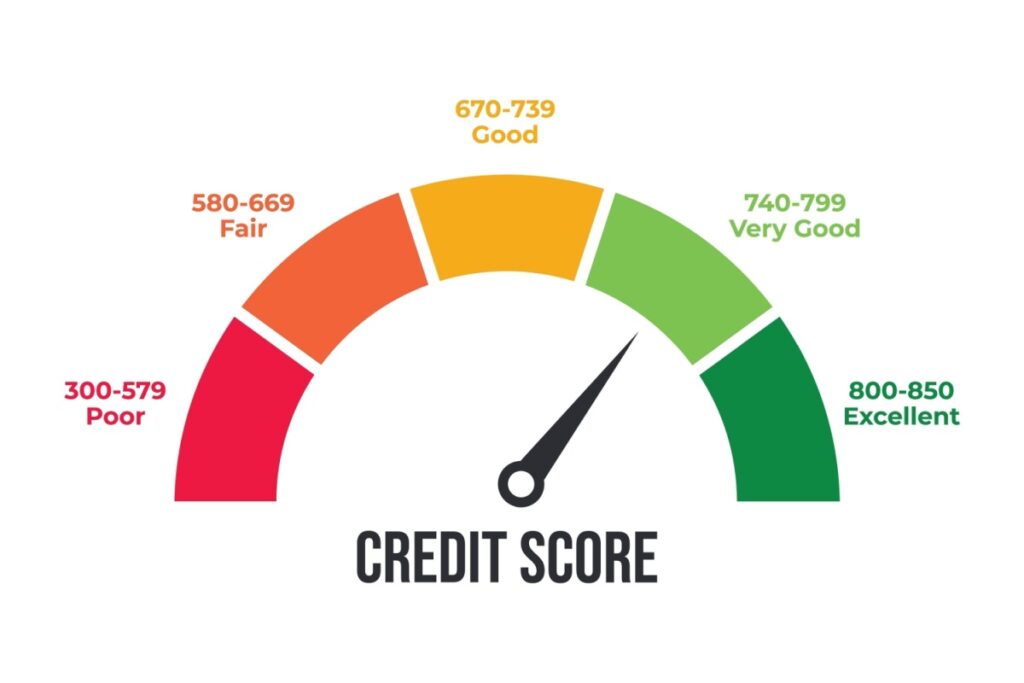
Your credit score is a 3-digit number that gives lenders a snapshot of your financial habits. It’s calculated using a few key pieces of information from your credit report—your history of paying bills on time, how much of your available credit you use, and the age of your credit accounts.
Lenders review your credit report to understand how you have managed debt in the past. A higher score suggests a lower risk, which can make it easier to get approved for loans. It can also help you secure better interest rates and more flexible terms.
First Steps to Boost Your Score Quickly
You can take a few actions right away that can have a fast impact on your credit score:
1. Get your free credit reports and dispute errors
Start by getting a free copy of your credit reports from Canada’s two credit bureaus—Equifax and TransUnion. You can also use free tools like Borrowell to monitor your credit score weekly and track your progress. Look for any errors, like an incorrect late payment or an account that isn’t yours, and report them immediately. Just be cautious: decline any loan offers you receive through these platforms, as taking on new debt won’t help your utilization ratio.
2. Pay down high credit card balances
Focus on paying down credit cards with high balances. The amount you owe compared to your credit limit is called your credit utilization ratio. Lowering this ratio—ideally below 30%—is one of the quickest ways to see a score increase. Changes like paying down high balances often reflect in your credit score within 30–60 days as the credit bureaus update.
3. Set up automatic payments for all bills
Your payment history is the single most important factor in your credit score. Automating payments helps you avoid accidental late payments that can hurt your progress.
Build a Strong Credit History Over Time
For long-term financial health, consistent habits are key. Continue keeping your credit utilization ratio low by charging only what you can afford to pay off. Think of your credit limit as a ceiling, not a target.
Be thoughtful about applying for new credit. Each application for a loan or credit card results in a ‘hard inquiry’ on your report, which can temporarily lower your score by a few points. Spacing out your applications shows lenders that you aren’t desperate for credit.
Over time, a healthy mix of credit types—such as a credit card and an installment loan—can also have a positive effect. It demonstrates your ability to manage different kinds of debt responsibly.
How Loans & Your Credit Score Connect
How Responsible Borrowing Builds Your Credit
When you take out a loan, you get a powerful opportunity to build your credit. Every on-time payment you make on personal loans or lines of credit, for instance, gets reported to the credit bureaus. This adds positive information to your credit history.
Even with short-term loans, consistent and timely repayment is very important. Making all your payments as agreed shows future lenders that you honour your financial commitments and can help raise your score. Many clients improve their scores while responsibly managing short-term financing.
Flexible Loan Options Across Alberta & BC
Working with a licensed lender in BC and Alberta ensures you are protected and treated fairly. They offer transparent terms that make it easier for you to manage your payments and succeed. This applies to a range of products, from personal loans to small business financing.
For those who need a different solution, alternative lending in Alberta provides more flexible loan options. These lenders often look beyond just your credit score to understand your full financial picture.
Common Credit Score Myths & Facts
Navigating the world of credit can be confusing. Let’s clear up a few common misunderstandings.
- Myth: Closing an old credit card helps your score. In reality, this can hurt your score by shortening the average age of your credit history and increasing your credit utilization ratio.
- Fact: Checking your own credit score does not hurt it. When you check your score, it’s a “soft inquiry” that has no impact on your score. A “hard inquiry” only happens when a lender checks it for a new application.
- Myth: You must carry a credit card balance to build credit. This is false. You can build a strong history by using your card and paying the balance in full every month before the due date.
Your 90-Day Credit Improvement Action Plan
Week 1:
- Pull your free credit reports from Equifax and TransUnion
- Set up Borrowell for weekly score monitoring
- Dispute any errors you find immediately
Month 1:
- Pay down high-balance credit cards to get utilization below 30%
- Set up automatic payments for all bills
Ongoing:
- Continue monitoring your score weekly
- Avoid new credit applications unless necessary
- Keep credit card balances low
- Make all payments on time
Improve Your Score with Blue Copper Capital
You are in control of your financial future when you understand how your credit works and take consistent, positive steps. If you need support along the way, Blue Copper Capital is a trusted lender in Alberta and BC—explore options that fit your situation without derailing your credit progress.